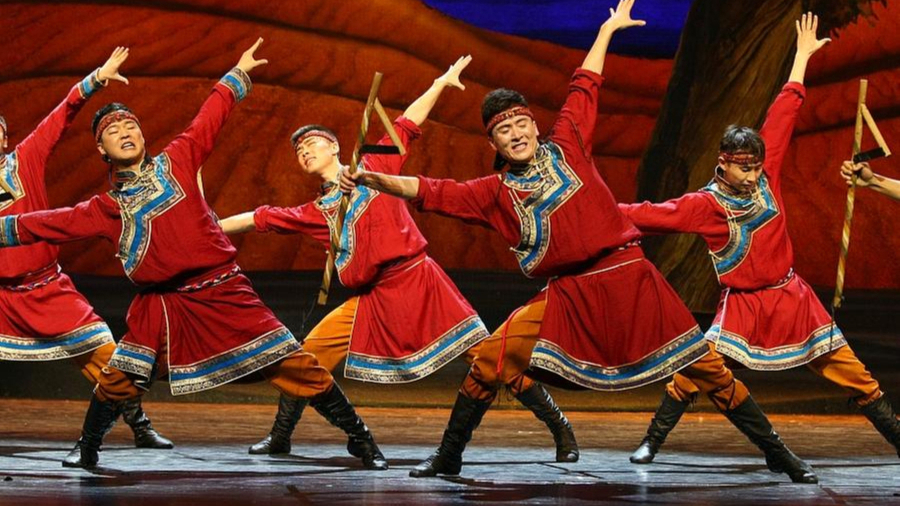
Traditional Mongolian Dance
Introduction
Mongolian dance is an integral part of China's rich cultural tapestry, reflecting the heritage and traditions of the Mongolian ethnic group. With its roots in the vast grasslands of the Mongolian people, Mongolian dance has evolved into a celebrated art form, both as a folk tradition and as a stage performance. Its dynamic movements, intricate techniques, and deep connection to nature and nomadic life make it a vibrant expression of Mongolian identity in China.
Historical Background
Mongolian dance in China traces its origins to the traditional rituals and daily activities of the Mongolian people, including horse riding, hunting, and communal celebrations. Historically, these dances were performed to mark significant events such as festivals, weddings, and religious ceremonies. The rise of professional Mongolian dance ensembles in the mid-20th century brought new life to this traditional art form. Today, Mongolian dance is not only a cherished cultural tradition but also a subject of academic research and a prominent feature in national and international cultural exchanges.
Features and Styles
Mongolian dance is characterized by its dynamic movements and distinct gestures that reflect the nomadic lifestyle. Key features include wide arm movements symbolizing the vastness of the grasslands, rhythmic footwork reminiscent of horseback riding, and intricate spins and jumps. The dance often incorporates symbolic elements such as the morin khuur (horsehead fiddle), which serves as both a musical accompaniment and a cultural emblem.
Costumes and Music
The costumes worn in Mongolian dance are vibrant and elaborate, reflecting the nomadic culture. Dancers typically wear long-sleeved robes adorned with intricate embroidery and bright colors. Accessories such as boots, hats, and belts add to the authenticity and aesthetic appeal of the performance.
Music plays a crucial role in Mongolian dance, with instruments like the morin khuur and traditional Mongolian lutes providing the melody. Traditional Mongolian throat singing (Khoomei) and folk songs are also common, creating an immersive auditory experience that complements the visual dynamism of the dance.
Contemporary Development
In recent decades, Mongolian dance has gained national and international recognition as a significant cultural heritage of China. The government and cultural institutions have taken measures to preserve and promote this art form through festivals, competitions, and educational programs. For example, the annual Nadam Fair in Inner Mongolia features traditional Mongolian dances as a highlight, attracting both local and international audiences.
Mongolian dance has also been featured in major events such as the Beijing Olympics and the China Arts Festival, showcasing its vitality and cultural importance. Academic institutions in China and abroad continue to study and document Mongolian dance, ensuring its preservation for future generations while fostering cross-cultural understanding.








